Toggle menu
+31 20 808 0893
  • LoginorSign Up
  • 0
Receptors Molecular BV
×
×

    Shop By Category

  • Bioingentech
  • Chondrex
  • Gentaur Antibodies
    • Gentaur Antibodies
    • Gentaur Goat Antibodies
    • Gentaur Human Antibodies
    • Gentaur Monoclonal Antibodies
    • Gentaur Mouse Antibodies
    • Gentaur Polyclonal Antibodies
    • Gentaur Rabbit Antibodies
  • ICL Antibodies
  • ICL ELISA
  • ICL Isotype Control
  • ICL Loading Control
  • ICL Protein Standard
  • Nuclear Receptor Tools
    • Nuclear Receptor Tools
    • NRSAS
  • Sakura
  • Zeptometrix
  • NucleaRDB
  • Potassium Channels
    • Potassium Channels
    • Automated extraction
    • KChannelDB: Database Cross-references
      • KChannelDB: Database Cross-references
      • Swiss-Prot entry
    • KChannelDB: Potassium Channel entries
  • Prion
    • Prion
    • PrionDB: Automated extraction
  • Shop By Brand

  • Gentaur
  • Immunology Consultant Laboratory
  • View all Brands
  • Content Pages

  • Cellular signaling
  • Drug development
  • partners
  • Properties of receptors and their intracellular activity
  • Shipping & Returns
  • Contact Us
  • Blog
  • User Navigation

  • LoginorSign Up
×
  • Cellular signaling
  • Drug development
  • partners
  • Properties of receptors and their intracellular activity
  • Shipping & Returns
  • Contact Us
  • Blog
  • Home
  • Gentaur Antibodies
  • Gentaur Human Antibodies
  • Anti-Human TNF receptor (p 75) IgG | Gentaur
  • Anti-Human TNF receptor (p 75) IgG
  • Anti-Human TNF receptor (p 75) IgG

    Anti-Human TNF receptor (p 75) IgG | Gentaur

    Gentaur

    MSRP:
    Now: €340.00
    (You save )
    (No reviews yet) Write a Review
    SKU:
    30-MR-091-7(75)-GEN
    Availability:
    IN STOCK
    Size:
    100 µg

    Adding to cart… category.add_cart_announcement
    Add to Wish List
    • Create New Wish List
    • Facebook
    • Email
    • Print
    • Twitter
    • Pinterest
    • Overview
    • Reviews

    Product Description

    Anti-Human TNF receptor (p 75) IgG

    Species Reactivity Human
     
    Specificity Detects human TNF RI in Western blots. In Western blots, does not cross-react with recombinant human (rh)
    TNF RII, rmTNF RI, or rmTNF RII.
     
    Source Monoclonal Mouse IgG1 Clone # 16803
     
    Purification Protein A or G purified from hybridoma culture supernatant
     
    Immunogen E. coli-derived recombinant human TNF RI/TNFRSF1A
    Accession # NP_001056
     
    Formulation Lyophilized from a 0.2 μm filtered solution in PBS with Trehalose. *Small pack size (SP) is supplied either lyophilized or as a 0.2 µm filtered solution in PBS.
     
    Endotoxin Level <0.10 EU per 1 μg of the antibody by the LAL method.
     
    Label Unconjugated

    Tumor necrosis factor (TNF) is a central regulator of immunity. Due to its dominant pro-inflammatory effects, drugs that neutralize TNF were developed and are clinically used to treat inflammatory and autoimmune diseases, such as rheumatoid arthritis, inflammatory bowel disease and psoriasis. However, despite their clinical success the use of anti-TNF drugs is limited, in part due to unwanted, severe side effects and in some diseases its use even is contraindicative.

    With gaining knowledge about the signaling mechanisms of TNF and the differential role of the two TNF receptors (TNFR), alternative therapeutic concepts based on receptor selective intervention have led to the development of novel protein therapeutics targeting TNFR1 with antagonists and TNFR2 with agonists.

    These antibodies and bio-engineered ligands are currently in preclinical and early clinical stages of development. Preclinical data obtained in different disease models show that selective targeting of TNFRs has therapeutic potential and may be superior to global TNF blockade in several disease indications.

    Tumor necrosis factor (TNF) is a key regulatory component of the immune system that regulates innate and adaptive immunity and contributes to initiation and maintenance of inflammation (Aggarwal, 2003). The major cellular source of TNF are macrophages and immune cells that are activated in response to infections or tissue damage (Fischer and Maier, 2015). Therefore, regulated TNF expression is essential to promote tissue homeostasis and fight infections.

    In contrast, deregulated TNF expression and signaling may induce pathology resulting in chronic inflammation and tissue damage. Indeed, increased levels of TNF were identified in patients with autoimmune and degenerative diseases (Fischer and Maier, 2015; Monaco et al., 2015). To counteract the pro-inflammatory and tissue degenerative effects of TNF signaling, therapeutics have been developed that neutralize TNF.

    Currently, five structurally different anti-TNF drugs are approved for clinical use: infliximab (Remicade), adalimumab (Humira), certolizumab pegol (Cimzia), golimumab (Simponi), and etanercept (Enbrel) (Monaco et al., 2015). These anti-TNF therapeutics, and biosimilars of infliximab, etanercept and adalimumab that have been approved recently, are successfully used to treat autoimmune diseases, including RA, juvenile RA (JRA), IBD, psoriasis, and ankylosing spondylitis (AS) (Monaco et al., 2015).

    Despite the clinical success of anti-TNF therapeutics they also show limitations, such as their restricted responsiveness, and severe side-effects, such as opportunistic infections, invasive fungal infections, reactivation of tuberculosis, and development of other autoimmune diseases and lymphomas (Tracey et al., 2008; Monaco et al., 2015).

    Further, clinical evaluation of anti-TNF therapy in multiple sclerosis failed (van Oosten et al., 1996; Lenercept Study Group, 1999) and anti-TNF therapy of juvenile rheumatoid arthritis resulted in development of MS-like exacerbations and demyelinating lesions in some patients (Sicotte and Voskuhl, 2001). Altogether this indicates that the use of anti-TNF drugs is limited and contraindicative for several indications, including neurodegenerative diseases.

    The limitations of anti-TNF therapy may depend on TNF’s pleiotropic biological functions via two distinct TNF receptors (TNFR). Synthesized as a transmembrane protein (tmTNF), the tmTNF form can activate both, TNFR1 and TNFR2. After proteolytical processing, the soluble trimers (sTNF) mainly activate TNFR1 (Fischer et al., 2015).

    In different animal disease models, genetic deletion of TNFR1 is typically associated with lack or reduced disease, whereas TNFR2 ablation exacerbates disease. These and other data indicate that sTNF/TNFR1 signaling mainly mediates pro-apoptotic and inflammatory responses, whereas TNFR2 contributes to immune regulation and tissue regeneration. Therefore, reagents that selectively target TNFRs might be superior to global TNF blockade because they allow a differential activation and/or inhibition of TNFRs.

    Product Videos

    Custom Field

    Size 100 µg

    Product Reviews

    Write a Review

    Write a Review

    ×
    Anti-Human TNF receptor (p 75) IgG
    Gentaur
    Anti-Human TNF receptor (p 75) IgG | Gentaur

    ×

    Recommended

    • Human Anti-P, gingivalis IgG Antibody Human Anti-P, gingivalis IgG Antibody
      Quick view Details

      Gentaur

      |

      sku: 445-6119-GEN

      Human Anti-P, gingivalis IgG Antibody | Gentaur

      MSRP:
      Now: €340.00
      Add to Cart
    • Rabbit Anti-Human IgG Rabbit Anti-Human IgG
      Quick view Details

      Gentaur

      |

      sku: 399-CSBPA00530G0RB-GEN

      Rabbit Anti-Human IgG | Gentaur

      MSRP:
      Now: €340.00
      Add to Cart
    • Polyclonal pig IgG Anti-Human IgG Polyclonal pig IgG Anti-Human IgG
      Quick view Details

      Gentaur

      |

      sku: 71-YNSwHIgGH+L7S-GEN

      Polyclonal pig IgG Anti-Human IgG | Gentaur

      MSRP:
      Now: €340.00
      Add to Cart
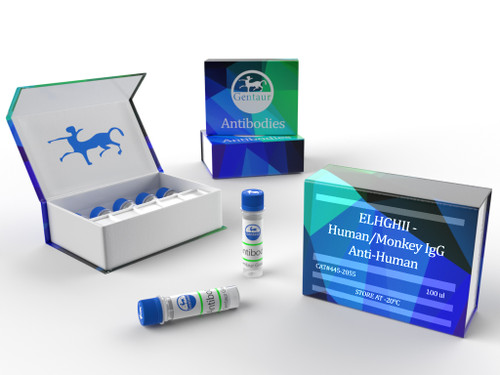
    • ELHGHII - Human/Monkey IgG Anti-Human ELHGHII - Human/Monkey IgG Anti-Human
      Quick view Details

      Gentaur

      |

      sku: 445-2055-GEN

      ELHGHII - Human/Monkey IgG Anti-Human | Gentaur

      MSRP:
      Now: €340.00
      Add to Cart
    • Goat Anti-Human IgG Alp Goat Anti-Human IgG Alp
      Quick view Details

      Gentaur

      |

      sku: 451-AS10 1237-GEN

      Goat Anti-Human IgG Alp | Gentaur

      MSRP:
      Now: €340.00
      Add to Cart
    ×

    Join Our Mailing List for special offers!


    Contact Us

    Kuiper 1
    5521 DG Eersel
    Netherlands

    Account

    • Wishlist
    • Login or Sign Up
    • Shipping & Returns

    Navigate

    • Cellular signaling
    • Drug development
    • partners
    • Properties of receptors and their intracellular activity
    • Shipping & Returns

    Recent Blog Posts

    • Molecular Class-Specific Information System (MCSIS) project
    • © Receptors Molecular BV |
    • Sitemap |
    • Premium BigCommerce Theme by Lone Star Templates